
Dental fillings are one of the most common and essential restorative dental procedures worldwide. They are used to repair cavities, restore tooth function, and prevent further decay. As dental tourism continues to grow rapidly in Southeast Asia, Dental Fillings in Vietnam have become increasingly popular among travelers and expatriates seeking high-quality care at a fraction of Western prices.
Vietnam is now recognized as a reliable destination for dental treatment, offering modern clinics, certified dentists, transparent pricing, and advanced restorative materials. Whether you need a simple composite filling or a more complex inlay/onlay restoration, this article provides a complete guide to everything you should know before receiving dental fillings in Vietnam.
Quick Navigation
What Are Dental Fillings?
Dental fillings are materials used to restore teeth affected by cavities, cracks, or minor fractures. The dentist removes the decayed or damaged portion of the tooth and fills the empty space with a restorative material to rebuild strength, shape, and function.
Fillings help:
-
Stop cavities from spreading
-
Restore chewing ability
-
Protect the tooth from further damage
-
Improve appearance (if tooth-colored materials are used)
Dental fillings are quick, minimally invasive, and typically completed in 15–30 minutes per tooth.
Why Choose Vietnam for Dental Fillings?
1. Affordable Prices (Up to 70% Cheaper Than Western Countries)
Dental care in Vietnam is significantly cheaper than in Australia, New Zealand, Singapore, the US, or Europe—yet the quality remains high. Many clinics use imported materials and follow international protocols, making Vietnam a cost-effective option for visitors and expats.
2. Modern Clinics & Advanced Technology
Vietnam has invested heavily in modern dental facilities with:
-
Digital X-ray and CBCT scanners
-
High-quality LED curing lights
-
Computerized cavity detection tools
-
High-grade resin and ceramic materials
Clinics in major cities like Ho Chi Minh City, Hanoi, and Da Nang follow global infection-control standards.
3. Skilled Dentists with International Training
Many Vietnamese dentists have training or certifications from:
-
The U.S.
-
Australia
-
South Korea
-
Japan
-
Europe
They are experienced in managing international patients and communicating in English.
4. Quick, Hassle-Free Treatment
Most fillings can be completed the same day, making them ideal for:
-
Travelers with limited time
-
Expats needing routine dental care
-
Patients combining filling treatment with other procedures
Types of Dental Fillings Offered in Vietnam
Vietnamese dental clinics provide a wide range of filling materials suitable for different needs and budgets.
1. Composite Resin Fillings (Tooth-Colored)
Most popular option worldwide
Composite resin is a tooth-colored material that blends seamlessly with natural teeth. It is cured using a special LED light and can be shaped to match the tooth’s original anatomy.
Advantages:
-
Highly aesthetic, natural-looking
-
Bonds directly to the tooth
-
Minimally invasive
-
Suitable for front and back teeth
Disadvantages:
-
Less durable than metal amalgam
-
More technique-sensitive
Composite fillings are the most common choice in Vietnam, especially for medical tourists.
2. Amalgam Fillings (Silver)
These are metal fillings made from an alloy of silver, tin, copper, and mercury. They used to be standard globally but are now less common due to aesthetic concerns.
Advantages:
-
Extremely durable
-
Strong for chewing forces
Disadvantages:
-
Silver color (not aesthetic)
-
Contains mercury (though safe in small amounts)
-
Rarely used in modern Vietnamese clinics
Amalgam is now only used in selected public hospitals or for special cases.
3. Glass Ionomer Cement (GIC) Fillings
GIC releases fluoride, which helps prevent further decay.
Best for:
-
Children
-
Areas under the gumline
-
Temporary fillings
Advantages:
-
Fluoride release
-
Good for high-risk cavities
Disadvantages:
-
Not as strong or aesthetic as composite
4. Ceramic / Porcelain Inlays & Onlays
These are premium restorations for large cavities or fractured teeth where normal fillings are not strong enough.
Advantages:
-
Excellent durability
-
High aesthetic value
-
Stain-resistant
-
Long lifespan (10–15+ years)
Disadvantages:
-
Higher cost
-
Requires 2 visits
Ceramic inlays/onlays are ideal for medical tourists seeking long-lasting results.
When Do You Need Dental Fillings?
You may require a filling if you notice:
-
Cavities or dark spots on teeth
-
Sensitivity to hot, cold, or sweet foods
-
Pain when chewing
-
Food frequently sticking between teeth
-
A chipped or fractured tooth
-
Wear or erosion on tooth surfaces
Dentists diagnose cavities through oral exams and X-rays to detect hidden decay.
Dental Fillings Procedure in Vietnam: Step-by-Step
The process is quick, comfortable, and usually painless.
Step 1: Examination & X-Ray
The dentist examines the tooth and may take an X-ray to determine the extent of decay.
Step 2: Local Anesthesia (If Needed)
Most fillings require minimal or no anesthesia. However, for deeper cavities, local anesthesia ensures comfort.
Step 3: Removing Decay
The dentist removes damaged tissue using:
-
A dental handpiece
-
A laser (in some advanced clinics)
Step 4: Cleaning & Sterilizing
The cavity is disinfected to prevent future decay.
Step 5: Placing the Filling Material
Depending on the material:
-
Composite is layered and cured with LED light
-
GIC is applied directly
-
Ceramic inlays are bonded in a second appointment
Step 6: Shaping & Polishing
The filling is shaped to match your bite and polished to feel smooth.
Total treatment time: 15–45 minutes depending on the material and complexity.
How Long Do Dental Fillings Last in Vietnam?
Lifespan depends on material and personal oral hygiene:
| Material | Lifespan |
|---|---|
| Composite | 5–8 years |
| GIC | 3–5 years |
| Porcelain Inlay/Onlay | 10–15+ years |
| Amalgam | 10–15+ years |
Regular check-ups every 6 months help prolong filling longevity.
Cost of Dental Fillings in Vietnam (2026)
The price varies depending on material, tooth location, and clinic type.
| Type of Filling | Cost (VND) | Approx. USD |
|---|---|---|
| Composite filling (front tooth) | 300,000 – 600,000 | $12 – $24 |
| Composite filling (back tooth) | 500,000 – 1,000,000 | $20 – $40 |
| GIC filling | 300,000 – 600,000 | $12 – $24 |
| Amalgam filling | 300,000 – 500,000 | $12 – $20 |
| Ceramic inlay/onlay | 3,000,000 – 6,000,000 | $120 – $240 |
These prices are significantly lower than Western countries, where fillings can cost:
-
$150–$350 for composite
-
$650–$1,200 for ceramic inlays
Vietnam offers excellent value for money for both basic and advanced restorations.
Are Dental Fillings Safe in Vietnam?
Yes. Reputable dental clinics follow strict hygiene protocols and use internationally certified materials.
Safety standards include:
-
Single-use instruments
-
Class-B autoclave sterilization
-
Imported composite and ceramic materials
-
Digital X-rays with low radiation
-
Rubber dam isolation (in many clinics)
Vietnamese dental clinics serving international patients prioritize safety and transparency.
Dental Fillings for Medical Tourists in Vietnam
Vietnam is ideal for medical tourists due to:
-
Short treatment time
-
Affordable prices
-
Convenient appointment scheduling
-
English-speaking dentists
-
High dental care standards
Tourists often combine fillings with:
-
Teeth whitening
-
Dental cleaning
-
Crowns or veneers
-
Dental implants
This makes Vietnam a comprehensive dental tourism hub.
Best Cities for Dental Fillings in Vietnam
1. Ho Chi Minh City (Saigon)
-
Largest number of international dental clinics
-
Many clinics specialize in cosmetic and restorative dentistry
-
Popular among Australians, Americans, Singaporeans
2. Hanoi
-
Strong hospital-based dentistry (Vinmec, 108 Hospital)
-
Excellent restorative and preventive care
3. Da Nang
-
Convenient for travelers
-
Affordable, modern clinics
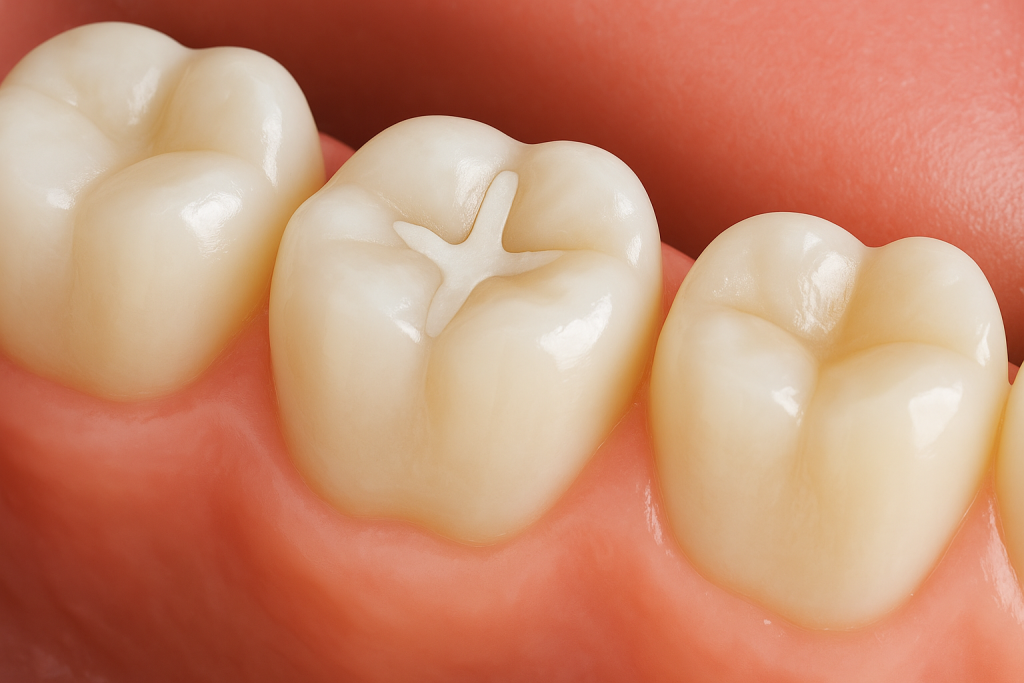
Realistic 3D illustration showing a composite dental filling on a molar — a common treatment for cavities in Vietnam.
How to Choose the Right Clinic for Dental Fillings in Vietnam
Look for:
-
Certified, English-speaking dentists
-
Modern equipment (digital X-ray, curing light, rotary tools)
-
Transparent pricing
-
Good online reviews
-
Rubber dam usage for composite fillings
-
Warranty for ceramic inlays/onlays
Reputable clinics will provide photos, video consultations, and written treatment plans.
Aftercare Instructions for Dental Fillings
Immediately after treatment:
-
Avoid chewing until numbness disappears
-
Skip extremely hot or cold foods for 24 hours
-
Avoid sticky or hard foods for the first day
Long-term care:
-
Brush twice daily
-
Floss daily
-
Limit sugary snacks
-
Visit the dentist every 6 months
If you experience sensitivity lasting more than 2–3 weeks, contact the clinic.
Proper maintenance is key to the longevity of your restoration. You can find detailed tips on dental filling aftercare to help manage sensitivity and maintain oral hygiene after your visit.
Common Questions About Dental Fillings in Vietnam
1. Are dental fillings painful?
Usually no. Anesthesia can be used for deeper cavities.
2. Can fillings fall out?
Rarely, but improper bite pressure or bruxism can cause failure.
3. How many fillings can I do in one visit?
Many patients complete 3–6 fillings in a single appointment.
4. Is composite safe?
Yes. Resin materials used in Vietnam are BPA-free and medically certified.
5. How soon can I eat after a filling?
Immediately for GIC; composites typically require 1–2 hours depending on dentist instructions.
Conclusion: Why Dental Fillings in Vietnam Are an Excellent Choice
Vietnam has become one of the leading destinations in Asia for affordable, high-quality dental care. With modern technology, internationally trained dentists, and competitive pricing, Dental Fillings in Vietnam offer excellent value for both local residents and international patients.
Whether you have a small cavity, a chipped tooth, or require a long-lasting ceramic restoration, Vietnam provides reliable, safe, and efficient treatment options. Dental tourists can enjoy quality care while exploring one of Southeast Asia’s most beautiful destinations.
Medically reviewed by MSc, MD, Doctor Dang Tien Dat
Need Dental Fillings in Vietnam?