
Quick Navigation
The Ultimate Guide to Knee Replacement in Vietnam: Cost, Clinical Care, and Logistics for International Patients
Chronic knee pain can slowly diminish your world, turning simple daily movements into immense physical challenges. When basic tasks like walking down a flight of stairs, getting up from a chair, or enjoying a stroll through a park become dependent on heavy doses of anti-inflammatory medications, your quality of life suffers dramatically. When conservative treatments—such as physical therapy, weight management, and intra-articular injections—no longer provide relief, a total joint arthroplasty becomes the definitive path toward reclaiming pain-free mobility.
Unfortunately, accessing timely and affordable orthopedic surgery has become an uphill battle in many Western countries. In nations like the United States, Australia, Canada, and the United Kingdom, patients are frequently trapped between two extremes: paying exorbitant out-of-pocket costs that cause severe financial strain, or waiting months—sometimes even years—on public healthcare waiting lists while their joint cartilage continues to disintegrate.
This systemic bottleneck has driven an unprecedented rise in global medical travel, positioning Southeast Asia as a primary hub for specialized joint surgeries. Today, undergoing a knee replacement in Vietnam stands out as one of the most reliable, highly advanced, and cost-effective medical solutions available globally. By combining state-of-the-art international hospitals, Western-trained orthopedic specialists, FDA-approved implants, and cost savings reaching up to 70% to 80%, Vietnam offers international patients an uncompromised path to long-term physical rehabilitation.
This comprehensive guide covers everything required to plan a knee replacement journey in Vietnam, detailing clinical methodologies, complete cost structures, leading hospital options, and overseas travel logistics.
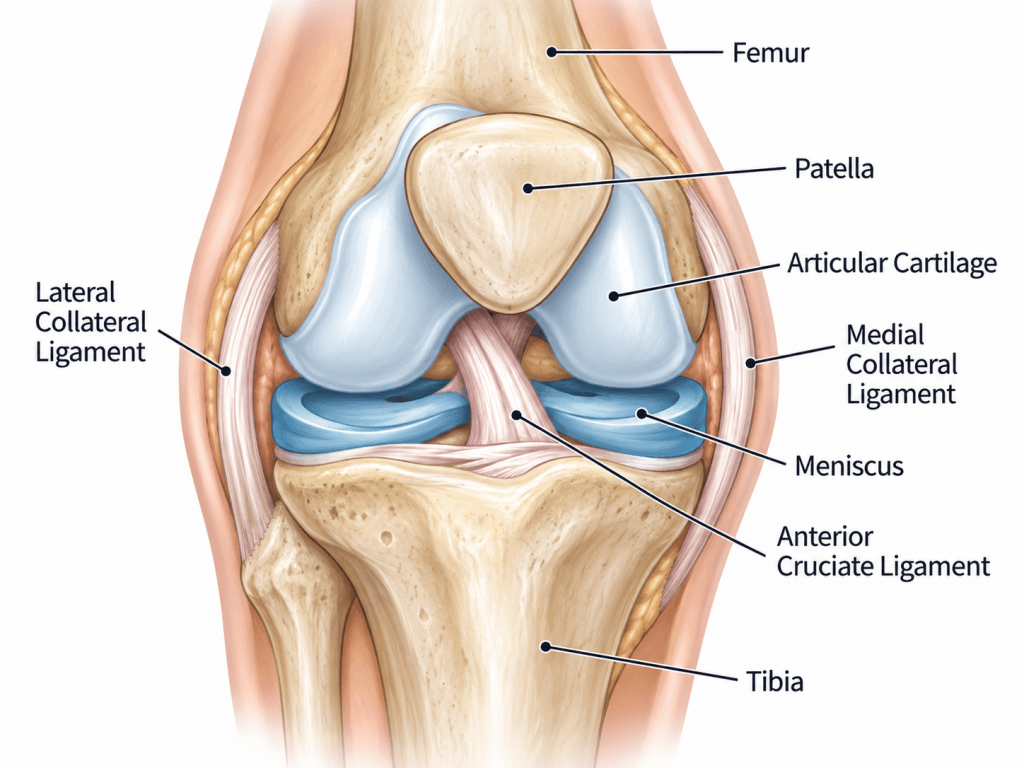
Detailed anatomical diagram of the human knee joint, illustrating key structures including bones (femur, tibia, patella), articular cartilage, meniscus, and major ligaments.
1. Understanding Knee Replacement Surgery: Clinical Indications and Joint Mechanics
To make an informed decision about traveling abroad for medical care, it is essential to understand the clinical framework of a knee replacement (scientifically termed total knee arthroplasty). The knee is the largest and most complex joint in the human body, acting as a hinge that connects the thigh bone (femur), the shin bone (tibia), and the kneecap (patella). In a healthy knee, these bony surfaces are cushioned by a thick layer of articular cartilage and stabilized by a network of ligaments and menisci that absorb shock and enable smooth flexion and extension.
When severe arthritis or physical trauma destroys this protective cartilage, the joint space narrows until the raw bones scrape directly against one another. This “bone-on-bone” friction leads to chronic inflammation, bone spurs (osteophytes), joint deformities, and progressively severe pain. According to clinical resources from the American Academy of Orthopaedic Surgeons (AAOS), a knee replacement does not involve removing the entire joint; rather, it is a precise resurfacing procedure that caps the damaged ends of the bones with highly durable biocompatible materials.
When severe arthritis or physical trauma destroys this protective cartilage, the joint space narrows until the raw bones scrape directly against one another. This bone-on-bone friction leads to chronic inflammation, bone spurs, and severe pain.
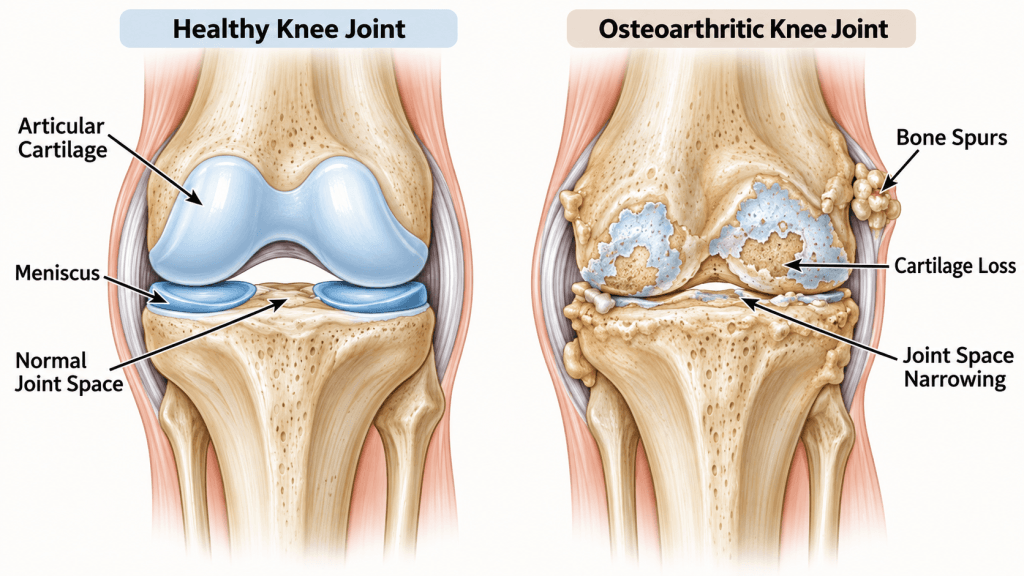
Medical illustration comparing a normal knee joint with healthy articular cartilage against an osteoarthritic knee featuring cartilage loss, joint space narrowing, and bone spurs.
According to clinical resources from the American Academy of Orthopaedic Surgeons (AAOS)
Primary Clinical Indications for Surgery
International patients who choose to travel to Vietnam for orthopedic interventions typically present with advanced stages of the following musculoskeletal conditions:
-
Osteoarthritis: The most prevalent form of wear-and-tear arthritis, where the protective cartilage progressively erodes over years of physical activity, typically accelerating in patients over 50.
-
Rheumatoid Arthritis: A chronic autoimmune disease where the body’s immune system mistakenly attacks the synovial lining of the joint, causing severe swelling, cartilage destruction, and structural misalignment.
-
Post-Traumatic Arthritis: Accelerated joint degeneration resulting from prior acute injuries, such as severe knee fractures, torn ligaments (ACL/PCL), or meniscal tears that permanently altered the knee’s loading mechanics.
-
Avascular Necrosis (Osteonecrosis): A painful condition where a temporary or permanent interruption of blood supply to the bone tissue in the knee causes the bone cells to die and deform, leading to rapid joint collapse.
Depending on your comprehensive orthopedic assessment, your surgeon will determine whether your condition is localized or widespread. For instance, many patients who experience widespread joint wear often require a multi-faceted treatment plan. If you also suffer from severe joint degeneration in your hips, it is highly recommended to explore similar long-form clinical insights on managing pelvic joint health through a dedicated hip replacement in Vietnam cost and care for international patients.
Total vs. Partial Knee Replacement
Modern orthopedic centers in Vietnam provide customized surgical solutions based on the precise distribution of your joint damage:
-
Total Knee Replacement (TKR): The most common option for international medical travelers. The surgeon resurfaces all three compartments of the knee joint—the medial (inner), lateral (outer), and patellofemoral (front)—replacing them with an anatomical metal shell and a medical-grade polyethylene spacer.
-
Partial Knee Replacement (Unicompartmental Knee Arthroplasty): If the arthritic degeneration is strictly confined to just one compartment of your knee (typically the inner side) and your ligaments remain completely stable, a partial replacement can be performed. This preserves the healthy compartments, bone stock, and natural ligaments, resulting in a more natural-feeling joint and an accelerated recovery window.
2. Advanced Surgical Technologies and Protocols in Vietnam
Orthopedic medicine has shifted away from highly invasive open operations toward tissue-preserving, precision-guided techniques. Top-tier international medical facilities across Vietnam utilize advanced global innovations to achieve flawless implant placement and minimal surgical trauma.
Robotic-Assisted and Computer-Navigated Arthroplasty
Perfect alignment is the single most critical factor determining the lifespan of an artificial knee. If an implant is misaligned by even a couple of degrees, it can cause uneven weight distribution, accelerated wear on the plastic spacer, ligament instability, or premature implant loosening.
Leading orthopedic hospitals in Vietnam utilize cutting-edge computer-assisted navigation systems and robotic surgical arms. Before the first incision is made, the surgical team uses advanced software to create a highly accurate 3D digital map of the patient’s specific anatomy based on pre-operative CT scans.
During the procedure, the computer provides real-time tracking, allowing the surgeon to balance the surrounding ligaments precisely and execute bone cuts with sub-millimeter accuracy. Studies published by the Mayo Clinic highlight that computer-navigated and robotic-assisted surgeries significantly improve long-term implant survival rates, lower post-operative pain, and provide superior joint kinematics, allowing the new knee to feel remarkably natural.
Minimally Invasive Subvastus and Midvastus Approaches
Traditional knee surgeries required making a long vertical cut directly through the quadriceps tendon (the major muscle group on the front of the thigh) to gain access to the knee joint. This resulted in significant post-operative weakness and a prolonged rehabilitation period.
Vietnamese orthopedic surgeons frequently utilize muscle-sparing approaches, such as the Subvastus or Midvastus techniques. These methods allow the surgeon to enter the knee joint by working beneath or splitting a small section of the muscle fibers, completely avoiding any cutting of the main quadriceps tendon. The clinical advantages of this approach are substantial:
-
A dramatic reduction in immediate post-operative pain.
-
The preservation of natural muscle strength, allowing patients to lift their leg off the bed just hours after surgery.
-
An accelerated return to unassisted walking, reducing dependencies on walkers, crutches, or canes.
-
A reduced risk of patellar tracking complications during long-term recovery.
3. Cost Breakdown: Analyzing the Massive Savings in Vietnam
The stark financial contrast between Western healthcare economics and the Vietnamese private healthcare ecosystem is a primary driver for the growing medical tourism market. For self-paying patients, individuals with high insurance deductibles, or those facing long waiting lists, traveling for a knee replacement in Vietnam provides an exceptional financial alternative without compromising on medical excellence.
Comparative Out-of-Pocket Cost Analysis
While a standard, unilateral total knee replacement in the United States routinely ranges from $30,000 to $55,000, and costs between $22,000 and $38,000 in Australia or the United Kingdom, the identical procedure at a premium, accredited private hospital in Vietnam averages between $6,500 and $11,500 USD. This represents an immediate financial saving of 65% to 80% for the traveling patient.
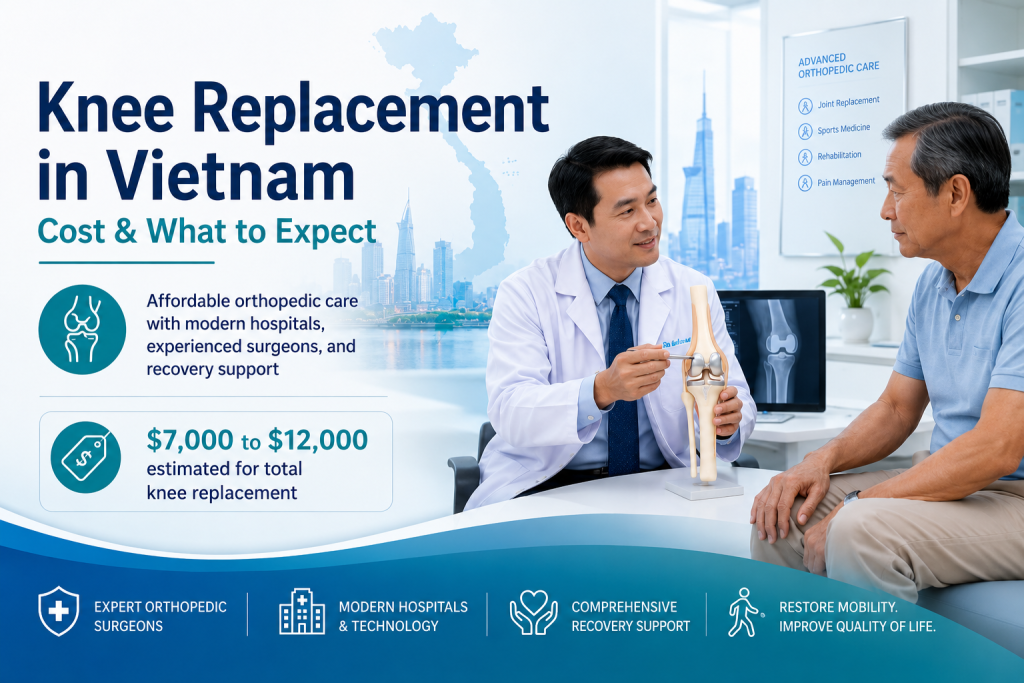
Knee replacement in Vietnam offers international patients affordable orthopedic care, modern hospitals, experienced surgeons, and recovery support, with total knee replacement costs estimated from $7,000 to $12,000.
Understanding the Factors Behind the Affordable Price Point
Western patients frequently question whether a lower price tag implies a compromise in sterile conditions, surgical skill, or material quality. However, the affordability of orthopedic care in Vietnam is governed entirely by local economic advantages rather than a reduction in standards:
-
Lower Institutional Operational Costs: The cost of hospital administration, medical real estate, utilities, and professional malpractice insurance is a fraction of what facilities must pay in Western metropolitan areas.
-
Wage and Cost-of-Living Indexes: Although Vietnamese orthopedic consultants possess world-class credentials, the domestic labor market rates and baseline cost-of-living structures allow hospitals to offer elite medical care at highly competitive prices.
-
Strategic Device Procurement Pricing: Global joint manufacturing companies supply their products worldwide but index their device pricing based on regional market dynamics. This enables Vietnamese hospitals to source top-tier, international implants at a significantly lower cost than Western hospitals.
What is Included in an International Patient Package?
When you plan an orthopaedic surgery package in Vietnam through an international department, the quotation is structured as an all-inclusive clinical episode designed to cover every phase of your hospital care:
-
Comprehensive Pre-Operative Workups: Full laboratory blood profiles, coagulation tests, electrocardiograms (ECG), chest X-rays, and advanced 3D CT scans of the lower limb for computer-aided surgical planning.
-
Professional Surgical Fees: Comprehensive compensation for the head orthopedic surgeon, surgical assistants, and dedicated nursing staff.
-
Anesthesiology and Pain Management: Pre-anesthesia consultations, the delivery of regional spinal anesthesia or general anesthesia, and continuous adductor canal blocks for advanced, localized post-operative pain relief.
-
Certified International Implant Hardware: The complete cost of the premium prosthesis, including the femoral component, tibial tray, and ultra-high-molecular-weight polyethylene insert.
-
Inpatient Hospital Accommodations: A 5 to 7-night stay in a private, modern inpatient room featuring a private bathroom, adjustable medical bedding, flat-screen television, high-speed Wi-Fi, full daily nursing supervision, and three nutritious, chef-curated meals daily.
-
Inpatient Physical Therapy: Daily, one-on-one rehabilitation sessions managed by certified physical therapists right inside your hospital room or the specialized physical therapy department to ensure you achieve safe knee flexion and independence before discharge.
4. Materials and Implant Integrity: Adhering to Rigorous Global Benchmarks
A foundational concern for any patient undergoing joint arthroplasty is the origin and long-term durability of the hardware placed inside their body. International hospitals in Vietnam operate under strict regulatory policies that forbid the use of unverified, experimental, or low-cost regional implants. The implant inventory used by elite orthopedic centers in Hanoi and Ho Chi Minh City is identical to the hardware utilized in the most prestigious hospitals globally.
Premier International Brands Sourced
Surgeons in Vietnam utilize orthopedic devices that carry complete approvals from the United States Food and Drug Administration (FDA) and the European CE mark. These implants are procured directly from the world’s leading medical device innovators, including:
-
Zimmer Biomet (USA)
-
DePuy Synthes (A Johnson & Johnson Company, USA)
-
Stryker Corporation (USA)
-
Smith & Nephew (UK)
Modern Implant Material Engineering
Your orthopedic specialist will evaluate your age, body mass index, daily physical demands, and bone density to choose an implant configuration tailored to your lifestyle:
-
Cobalt-Chromium Alloys: Renowned for their incredible mechanical strength, high corrosion resistance, and superb biocompatibility, these alloys form the foundational metal components that interface with your bones.
-
Oxidized Zirconium (Oxinium): An advanced, award-winning metal alloy transformed into a smooth ceramic surface. This material is exceptionally smooth, virtually eliminates scratching, and reduces friction against the plastic spacer, extending the artificial knee’s operational lifespan up to 25 years or more. It is also the ideal choice for patients with known metal or nickel allergies.
-
Highly Cross-Linked Polyethylene (XLPE): The advanced medical plastic used for the cushioning spacer insert. Infused with natural antioxidants like Vitamin E, these modern inserts resist oxidation and material degradation, minimizing plastic wear debris and preventing long-term bone loss around the joint.
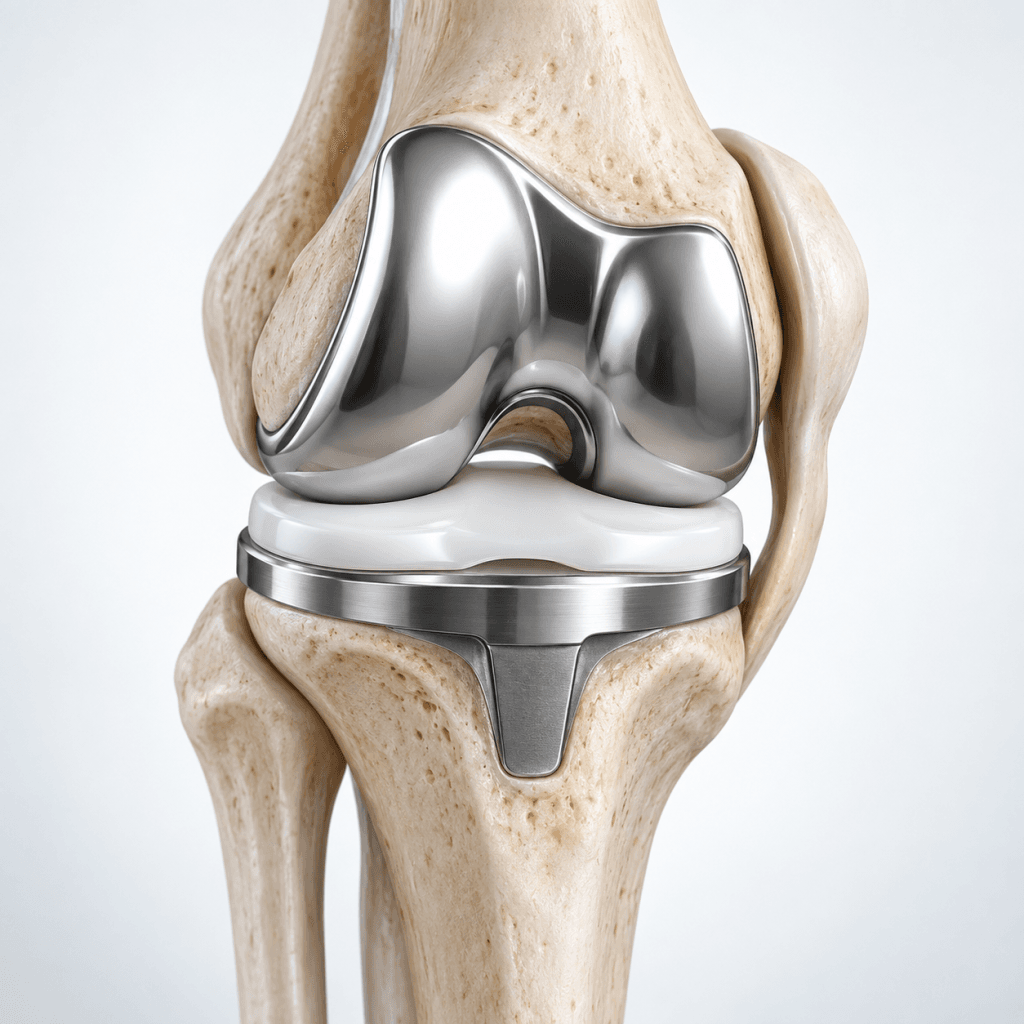
Anatomical 3D rendering of a total knee replacement implant, highlighting the precision-fitted femoral component, tibial tray, and polyethylene spacer.
5. Elite Private Hospitals for Orthopedic Excellence in Vietnam
Selecting an appropriately accredited hospital is a vital step in ensuring a successful medical travel experience. Over the last two decades, Vietnam has transformed its healthcare infrastructure through massive private investments, state-of-the-art diagnostic imaging suites, and international quality management certifications. International patients travel with confidence to facilities certified by the Joint Commission International (JCI)—the definitive gold standard for worldwide patient safety and clinical quality.
1. Vinmec International Hospital Network (Hanoi & Ho Chi Minh City)
Vinmec operates flagship multi-specialty hospitals in both Hanoi and Ho Chi Minh City that maintain active JCI accreditations.
-
Orthopedic Profile: Vinmec’s Center of Orthopedic Surgery and Sports Medicine is a regional leader in joint care. The facility features state-of-the-art operating rooms with sterile laminar airflow systems and utilizes 3D printing to create personalized surgical cutting guides tailored to each patient’s unique bone shape.
-
International Patient Support: Vinmec provides dedicated international patient departments staffed by English-fluent medical coordinators, interpreters, and concierge personnel who manage everything from airport transfers to international insurance documentation.
2. FV Hospital (Ho Chi Minh City)
Located in the upscale District 7 of Ho Chi Minh City, FV Hospital was established by a group of French medical professionals and stands as a premier destination for medical tourists in Southeast Asia.
-
Orthopedic Profile: The Orthopedics & Joint Replacement Department at FV Hospital has earned a stellar reputation for managing complex joint reconstructions, congenital lower-limb deformities, and highly specialized revision operations for previously worn-out or failed knee implants.
-
International Patient Support: Backed by an extensive cross-border services wing, FV Hospital seamlessly handles visa extensions, hotel partnerships, and direct billing with dozens of global health insurance providers.
3. City International Hospital – CIH (Ho Chi Minh City)
Positioned within a dedicated high-tech medical district, CIH is a massive, modern facility designed from the ground up to satisfy stringent international administrative and clinical metrics.
-
Orthopedic Profile: CIH emphasizes advanced, fast-track rehabilitation models and Enhanced Recovery After Surgery (ERAS) protocols, drastically lowering post-surgical complication rates and reducing the duration of hospitalizations.
-
International Patient Support: The hospital offers beautiful private suites, exceptionally high nurse-to-patient care ratios, and clear, transparent package pricing structures tailored to foreign travelers.
4. American International Hospital – AIH (Ho Chi Minh City)
AIH is a premier boutique medical center that integrates strict American-standard clinical guidelines and upscale hospitality management practices into the Vietnamese healthcare landscape.
-
Orthopedic Profile: Boasting highly advanced diagnostic suites, clean-room operating theaters, and top-tier physical therapy gyms, AIH provides a highly synchronized care experience using the latest muscle-sparing subvastus techniques.
6. Fellowship-Trained Vietnamese Orthopedic Surgeons
The finest medical infrastructure is only as effective as the expertise of the surgeons operating within it. The senior tier of orthopedic consultants in Vietnam consists of elite medical professionals who possess exemplary academic backgrounds and extensive hands-on surgical experience.
International Education and Global Medical Fellowships
The majority of chief orthopedic specialists heading joint replacement divisions in Vietnam’s private hospitals have spent significant periods training internationally. They hold advanced master’s degrees, medical doctorates, and clinical PhDs from top-tier university hospital networks in nations such as France, Germany, Japan, South Korea, and Australia.
Furthermore, these specialists maintain active memberships and contribute research to prominent international medical societies, such as the International Society of Orthopaedic Surgery and Traumatology (SICOT).
Exceptional Case Volumes and Communication Skills
Due to Vietnam’s large population and its growing role as a regional healthcare destination, senior orthopedic consultants handle remarkably high clinical volumes, frequently executing between 300 and 600 complex joint arthroplasties every single year. In the field of surgery, a high case volume correlates directly with enhanced precision, minimized operating times, exceptionally low infection rates, and ideal patient outcomes. These consultants are completely fluent in medical English or French, ensuring clear, open communication regarding every aspect of your clinical pathway.
7. The Comprehensive Patient Journey: From Initial Inquiry to Full Discharge
Embarking on a cross-border medical journey is a highly structured process. By partnering with professional medical travel platforms, your entire care path is organized into a seamless, stress-free timeline centered entirely on your health, comfort, and security.
Phase 1: Remote Pre-Travel Clinical Assessment
Your medical journey begins digitally from your home. You will work closely with an international care coordinator to build your medical dossier.
-
Data Compilation: You will securely upload your latest digital knee X-rays, knee MRIs or CT scans, relevant blood work, and a summary of your general health status and medical history.
-
Surgeon Panel Review: A senior orthopedic specialist in Vietnam will personally review your imaging files to confirm your candidacy for total or partial knee replacement.
-
Formal Medical Quotation: You will receive a transparent, comprehensive digital quotation detailing all expected costs, package inclusions, and implant specifications, ensuring complete financial predictability with zero hidden surcharges.
Phase 2: Travel Arrangements and Arrival Concierge
Once you approve your personalized care plan, the administrative support machinery handles all logistical preparations.
-
Visa Assistance: The hospital’s international team provides official medical invitation letters to facilitate the swift issuance of appropriate travel or medical visas from Vietnamese consulates or electronic e-visa portals.
-
Airport Greeting: Upon landing at Tan Son Nhat International Airport (Ho Chi Minh City) or Noi Bai International Airport (Hanoi), you are met at the jet bridge or arrival terminal by an airport concierge helper.
-
Private Chauffeur Transit: A private vehicle smoothly transports you to your pre-arranged hotel or directly to your private inpatient hospital suite, eliminating any arrival stress.
Phase 3: Comprehensive In-Person Pre-Surgical Optimization
Before clearing you for the operating theater, the hospital executes exhaustive diagnostic checks to ensure your body is fully optimized for a safe surgical intervention.
-
Multidisciplinary Evaluations: You will have face-to-face consultations with your primary orthopedic surgeon, a consultant cardiologist, and the chief anesthesiologist.
-
Advanced Lab Diagnostics: Fresh blood matching, coagulation profiling, chest radiography, and detailed electrocardiograms are conducted to guarantee safety during the procedure.
Phase 4: Surgical Execution and Post-Anesthesia Recovery
On the scheduled morning of your procedure, you are prepared and transferred into a sterile, positive-pressure operating room.
-
The Operation: A total knee arthroplasty typically takes between 1.5 to 2 hours. The anesthesiologist generally delivers a regional spinal block combined with conscious sedation or general anesthesia, ensuring you experience absolutely no discomfort.
-
Immediate Post-Op Monitoring: You will spend 2 to 3 hours in the Post-Anesthesia Care Unit (PACU). Specialized recovery nurses monitor your vitals, pain control, and local circulation as the anesthesia wears off.
Phase 5: Accelerated Inpatient Rehabilitation

Post-operative physical therapy and guided knee bending exercises are crucial components of the recovery journey following joint replacement surgery.
Vietnamese international hospitals are pioneers in applying Enhanced Recovery After Surgery (ERAS) principles. Extended, sedentary bed rest is actively avoided to promote tissue healing and avoid complications.
-
Day 1 Post-Op: Under the direct, physical guidance of a certified physiotherapist, you will stand up and take your very first steps using a walker. Early weight-bearing drastically reduces the risk of deep vein thrombosis (DVT) and speeds up muscle reactivation.
-
Days 2 to 7: You will engage in twice-daily physical therapy sessions. Your therapist will guide you through exercises to maximize your knee flexion and extension angles, strengthen the quadriceps muscles, and teach you how to independently navigate steps, chairs, and bathrooms.
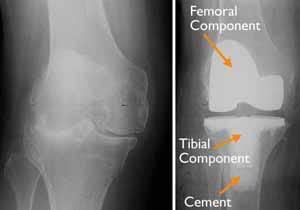
Clinical X-ray comparison illustrating a degenerated knee joint (left) and a successfully replaced knee joint featuring the femoral component, tibial component, and bone cement (right).
8. Post-Operative Rehabilitation, Wellness, and Holiday Recovery
Following your formal discharge from the inpatient ward (typically on day 5 or 7), your medical journey shifts into a relaxing wellness and recovery experience. International medical protocols advise against boarding a long-haul commercial flight immediately after major joint surgery. Instead, patients typically remain in Vietnam for an additional 2 to 3 weeks to complete outpatient physical therapy, monitor incision healing, and ensure complete safety before traveling home.
Transitioning Recovery into a Restorative Holiday
Vietnam’s breathtaking geography, peaceful coastal environments, and deeply rooted culture of hospitality make it a perfect destination for post-surgical recovery and physical healing. Depending on your mobility levels and your surgeon’s guidance, you can transition your recovery into a luxurious, low-impact wellness retreat:
-
Coastal Retreats (Da Nang & Nha Trang): Many international patients choose to spend their outpatient weeks at premium beach resorts in Da Nang or Nha Trang. The flat beachside boardwalks provide an ideal setting for gentle walking exercises, while the fresh sea air and premium spa hydrotherapies help reduce localized joint swelling and promote deep relaxation.
-
Cultural and Eco-Conscious Centers (Hoi An & Hue): Staying in a peaceful boutique resort near the historic town of Hoi An allows for easy, flat-surface exploration, access to exceptional organic dining, and calm, scenic environments that favor both mental and physical restoration.
-
Natural Thermal Springs: Participating in localized mineral-rich therapies at renowned natural hot springs, such as those in Binh Chau or Quang Hanh, can help soothe recovering muscles, stimulate full-body circulation, and support your overall rehabilitation timeline.
9. Crucial Logistics: Travel Insurance, Visas, and Flight Readiness
To guarantee a completely smooth, stress-free international medical trip, it is vital to manage all administrative and financial logistics before your departure.
Navigating International Health Insurance and Claims
While a large percentage of international patients pay out-of-pocket due to the extreme affordability of Vietnamese medical packages, many international health insurance policies or premium corporate travel insurances cover treatments at JCI-accredited overseas facilities.
-
Pre-Authorization Procedures: Contact your insurance representative well ahead of your travel date to determine if your policy covers overseas orthopedic care.
-
Administrative Documentation: The international patient departments at hospitals like Vinmec and FV are highly experienced in generating itemized English-language invoices, comprehensive surgical reports, diagnostic laboratory printouts, and official implant registration certificates required to process insurance claims successfully.
Travel Document Prerequisites and Medical Visas
Verify that your passport is valid for at least 6 months past your projected date of return. Depending on your nationality, you must secure a tourist or dedicated medical visa prior to arrival. Medical travel coordination platforms will assist you by issuing official hospital intake documentation to submit to Vietnamese embassies or to upload onto official government e-visa portals.
Acquiring a “Fit-to-Fly” Certification
Before you check in for your return flight home, you will return to the hospital for a final outpatient follow-up evaluation. Your orthopedic surgeon will take a final set of control X-rays to verify that the knee implant remains perfectly seated and balanced.
The hospital will then issue an official Fit-to-Fly Certificate. This document is a critical requirement, as international airlines routinely request formal clearance for passengers traveling within a month of a major surgical procedure, ensuring you receive specialized airport assistance, such as complimentary wheelchair transfers and priority boarding privileges.
10. Frequently Asked Questions (FAQs)
❓ Is the quality of orthopedic care in Vietnam truly equal to that of Western nations?
Yes, absolutely. The leading private international hospitals in Vietnam operate under strict, continuous JCI accreditations identical to top-tier medical facilities in Western countries. The operating theaters maintain premium sterile environments via advanced positive-pressure airflow systems to eliminate airborne bacteria, diagnostic imaging is driven by identical top-tier machinery (such as Siemens and GE Healthcare), and the actual implants used are the exact same FDA-approved devices manufactured by industry leaders like Zimmer Biomet and Stryker.
❓ How long do I need to remain in Vietnam after my knee surgery?
The recommended absolute minimum duration for your medical trip is 3 weeks. You will spend between 5 and 7 days as an inpatient inside the hospital facility. The subsequent 2 weeks are spent as an outpatient at a nearby hotel or wellness resort. This allows you to complete your essential outpatient physical therapy, undergo suture removal, and allow your deep tissues to stabilize comfortably before sitting on a long-haul flight, which minimizes any risk of deep vein thrombosis.
❓ What are the documented long-term success rates of knee replacements in Vietnam?
When conducted at JCI-accredited international facilities by fellowship-trained orthopedic experts, the long-term success rates for total knee arthroplasty in Vietnam mirror international benchmarks, exceeding 95% to 98%. Thanks to the precise utilization of computer-navigated alignment systems and ultra-durable modern materials like Oxinium and cross-linked polyethylene, these joints are engineered to last between 20 and 25 years.
❓ How will I communicate with the hospital staff if I don’t speak Vietnamese?
Language barriers are non-existent within Vietnam’s international private medical sector. All primary orthopedic consultants, chief anesthesiologists, and senior administrative directors have trained extensively abroad and speak fluent English (and often French or Japanese). For daily interactions with nursing staff or general logistics, the hospital pairs you with a dedicated international patient coordinator who accompanies you to every clinical appointment.
Reclaim an Active, Pain-Free Life
You do not have to accept severe knee pain as a permanent limitation, nor do you have to deplete your life savings or wait indefinitely on a public health waiting list. Selecting a knee replacement in Vietnam provides you with immediate access to world-class robotic and computer-navigated orthopedic surgeries, premium FDA-approved hardware, and highly experienced, deeply compassionate medical teams—all at an accessible price point that makes complete financial sense.
Take the definitive step toward walking freely again. Contact our international patient coordination team today to submit your medical scans for a complimentary, confidential clinical review and a personalized price quotation.
Get Affordable Knee Replacement Surgery in Vietnam
Save up to 70% compared to U.S. prices while receiving world-class orthopedic care in Vietnam. We’ll help you choose the best hospital, surgeon, and recovery plan.