
Myomectomy in Vietnam has become an increasingly popular choice for women seeking effective treatment for uterine fibroids while preserving their uterus and fertility. With modern hospitals, internationally trained gynecologists, and treatment costs significantly lower than in Western countries, Vietnam is now recognized as a rising destination for gynecological surgery and medical tourism in Asia.
This comprehensive guide explains what myomectomy is, who it is for, available surgical techniques, recovery expectations, costs in Vietnam, and why many international patients choose Vietnam for this procedure.
Quick Navigation
What Is Myomectomy?
Myomectomy is a surgical procedure that removes uterine fibroids (also called myomas or leiomyomas) while leaving the uterus intact. Unlike hysterectomy, which removes the uterus entirely, myomectomy allows women to maintain their reproductive organs and, in many cases, the ability to become pregnant in the future.
Uterine fibroids are non-cancerous growths that develop in or on the uterus. Although benign, they can cause significant symptoms that affect quality of life and fertility.
Why Do Women Need Myomectomy?
Women may consider myomectomy when fibroids cause moderate to severe symptoms, including:
-
Heavy or prolonged menstrual bleeding
-
Pelvic pain or pressure
-
Abdominal bloating or enlargement
-
Frequent urination or constipation due to organ compression
-
Pain during sexual intercourse
-
Infertility or recurrent miscarriage
-
Complications during pregnancy
Myomectomy is especially recommended for women who:
-
Wish to preserve fertility
-
Want to avoid uterus removal
-
Have fibroids affecting pregnancy outcomes
Types of Myomectomy Performed in Vietnam
Vietnamese hospitals offer all modern myomectomy techniques, selected based on fibroid size, number, and location.
1. Laparoscopic Myomectomy
This minimally invasive approach uses small abdominal incisions and a laparoscope (camera).
Advantages:
-
Smaller scars
-
Less blood loss
-
Reduced pain
-
Faster recovery (1–2 weeks)
Best for:
Small to medium fibroids located on the outer surface or within the uterine wall.
2. Open (Abdominal) Myomectomy
Performed through a larger incision in the lower abdomen.
Advantages:
-
Allows removal of very large or multiple fibroids
-
Better visibility for complex cases
Considerations:
-
Longer hospital stay
-
Recovery time of 4–6 weeks
Best for:
Large, deeply embedded, or numerous fibroids.
3. Hysteroscopic Myomectomy
This technique removes fibroids through the vagina and cervix using a hysteroscope.
Advantages:
-
No abdominal incisions
-
Short hospital stay (often same-day discharge)
-
Rapid recovery
Best for:
Submucosal fibroids growing into the uterine cavity.
Preoperative Evaluation in Vietnam
Before undergoing myomectomy in Vietnam, patients typically receive a thorough assessment, including:
-
Pelvic ultrasound or MRI
-
Blood tests (including anemia screening)
-
Hormonal evaluation if fertility is a concern
-
Gynecological examination
-
Review of previous medical records and imaging
International patients can often complete online consultations and submit imaging before traveling.
Cost of Myomectomy in Vietnam
One of the biggest advantages of choosing Vietnam is affordability without compromising quality.
Average Cost Range
-
Hysteroscopic myomectomy: USD 1,500 – 3,000
-
Laparoscopic myomectomy: USD 2,500 – 5,000
-
Open myomectomy: USD 3,000 – 6,000
What Is Typically Included?
-
Surgeon and anesthesiologist fees
-
Operating room and medical equipment
-
Hospital stay
-
Medications and consumables
-
Postoperative follow-up
Compared to costs in the US, UK, or Australia (often USD 10,000–25,000), Vietnam offers savings of 50–70%.
Quality of Hospitals and Doctors in Vietnam
Vietnam has invested heavily in healthcare infrastructure over the past decade. Many private and international-standard hospitals feature:
-
Advanced laparoscopic and imaging systems
-
Internationally trained gynecologists
-
English-speaking medical staff
-
JCI-standard or ISO-certified facilities
-
Dedicated international patient departments
Major cities such as Ho Chi Minh City, Hanoi, and Da Nang are hubs for gynecological surgery.
Myomectomy and Fertility Outcomes
One of the primary reasons women choose myomectomy is fertility preservation.
Fertility Benefits
-
Improved implantation rates
-
Reduced miscarriage risk
-
Better pregnancy outcomes
-
Relief of uterine cavity distortion
Many women successfully conceive within 6–12 months after myomectomy, depending on healing and individual factors.
Doctors in Vietnam often collaborate closely with fertility specialists, making it easier for patients to plan future pregnancies or IVF if needed.
Recovery After Myomectomy
Hospital Stay
-
Hysteroscopic: same day or 1 night
-
Laparoscopic: 2–3 days
-
Open surgery: 3–5 days
Recovery Timeline
-
Light activities: 1–2 weeks (laparoscopic)
-
Return to work: 2–6 weeks
-
Full recovery: up to 6–8 weeks
Patients are advised to avoid strenuous exercise and sexual activity until cleared by their doctor.
Risks and Complications
Myomectomy is generally safe when performed by experienced surgeons, but possible risks include:
-
Bleeding or need for transfusion
-
Infection
-
Adhesion formation
-
Fibroid recurrence
-
Rare need to convert to hysterectomy in emergencies
Vietnamese hospitals follow strict surgical safety and infection control protocols to minimize risks.
Fibroid Recurrence After Myomectomy
It is important to understand that myomectomy removes existing fibroids but does not prevent new fibroids from developing.
-
Recurrence rate: approximately 15–30% within 5 years
-
Younger patients may have higher recurrence risk
Doctors may recommend hormonal management or regular monitoring after surgery.
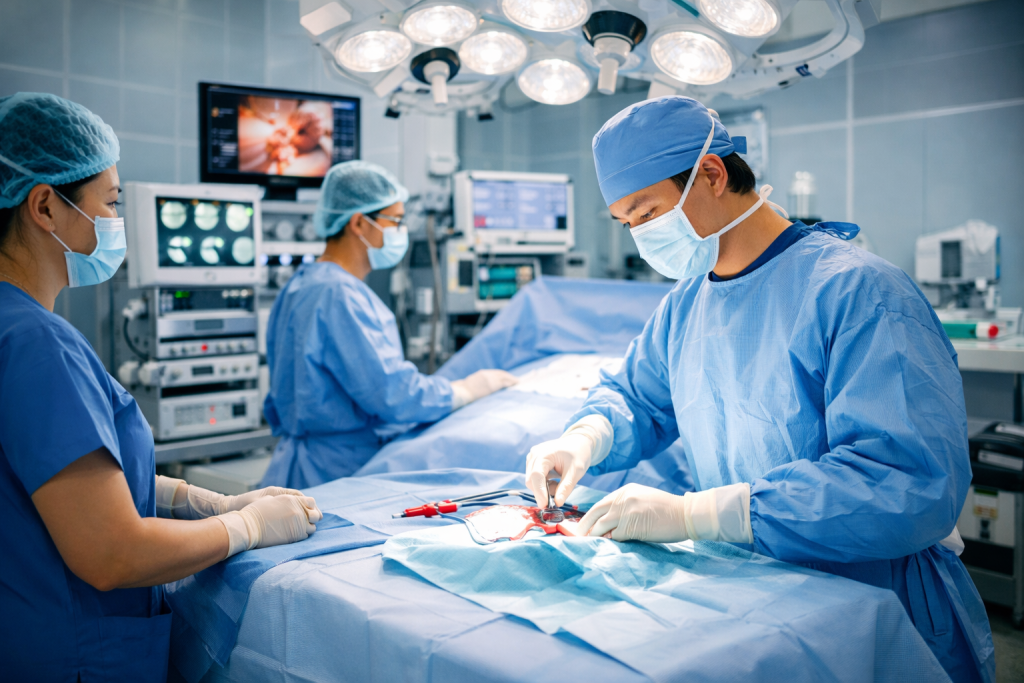
Myomectomy in Vietnam is performed by experienced gynecologists in modern hospitals, using advanced surgical techniques to safely remove uterine fibroids while preserving the uterus and fertility.
Why Choose Vietnam for Myomectomy?
Vietnam offers a compelling combination of:
-
High-quality medical care
-
Affordable treatment costs
-
Modern hospitals and technology
-
Short waiting times
-
Skilled gynecologists
-
Excellent post-operative care
-
Safe travel environment
Additionally, patients can combine treatment with recovery in comfortable hotels or resort-style accommodations.
Medical Tourism Support for International Patients
Medical tourism facilitators in Vietnam often provide:
-
Online medical consultations
-
Cost estimates before travel
-
Visa assistance
-
Airport pickup and local transportation
-
Translation and patient coordination
-
Post-surgery follow-up support
This end-to-end service ensures a smooth and stress-free experience for international patients.
How Long Should You Stay in Vietnam?
-
Hysteroscopic myomectomy: 5–7 days
-
Laparoscopic myomectomy: 10–14 days
-
Open myomectomy: 2–3 weeks
Your doctor will advise based on surgical complexity and recovery progress.
Is Myomectomy in Vietnam Safe?
Yes. When performed in accredited hospitals by experienced surgeons, myomectomy in Vietnam is safe and effective. Thousands of local and international patients undergo gynecological surgeries in Vietnam each year with excellent outcomes.
Choosing the right hospital and surgeon is essential, and preoperative consultation plays a key role in ensuring success.
Final Thoughts
Myomectomy in Vietnam is an excellent option for women seeking high-quality fibroid treatment at an affordable cost while preserving fertility. With advanced surgical techniques, experienced doctors, and comprehensive patient support, Vietnam continues to emerge as a trusted destination for gynecological surgery and medical tourism.
If you are experiencing fibroid-related symptoms or planning future pregnancy, myomectomy in Vietnam may offer the balance of safety, effectiveness, and value you are looking for.
Get a Myomectomy Quote in Vietnam
Share your ultrasound/MRI report and symptoms. Our team will connect you with a trusted gynecology hospital in Vietnam and send a clear treatment plan and cost estimate.