
Digestive problems are among the most common health issues faced by people worldwide. Symptoms such as abdominal pain, bloating, acid reflux, nausea, vomiting, heartburn, or unexplained weight loss often require proper medical evaluation—especially when persistent. One of the most accurate ways to diagnose conditions affecting the upper digestive tract is gastroscopy, also known as upper GI endoscopy.
In recent years, Vietnam has become a leading destination for gastroscopy, offering world-class medical standards, advanced endoscopy equipment, internationally trained specialists, and highly competitive pricing. Many travelers combine medical care with tourism, making Vietnam one of Asia’s most accessible and cost-effective places to undergo gastroscopy.
This comprehensive guide covers everything you need to know about gastroscopy in Vietnam—from the procedure, benefits, preparation, costs, hospitals, risks, and recovery, to why international patients trust Vietnam for digestive diagnostics.
What Is Gastroscopy?
Gastroscopy (upper gastrointestinal endoscopy) is a minimally invasive procedure that uses a thin, flexible tube with a camera and light (endoscope) to examine the:
-
Esophagus
-
Stomach
-
Duodenum (the first part of the small intestine)
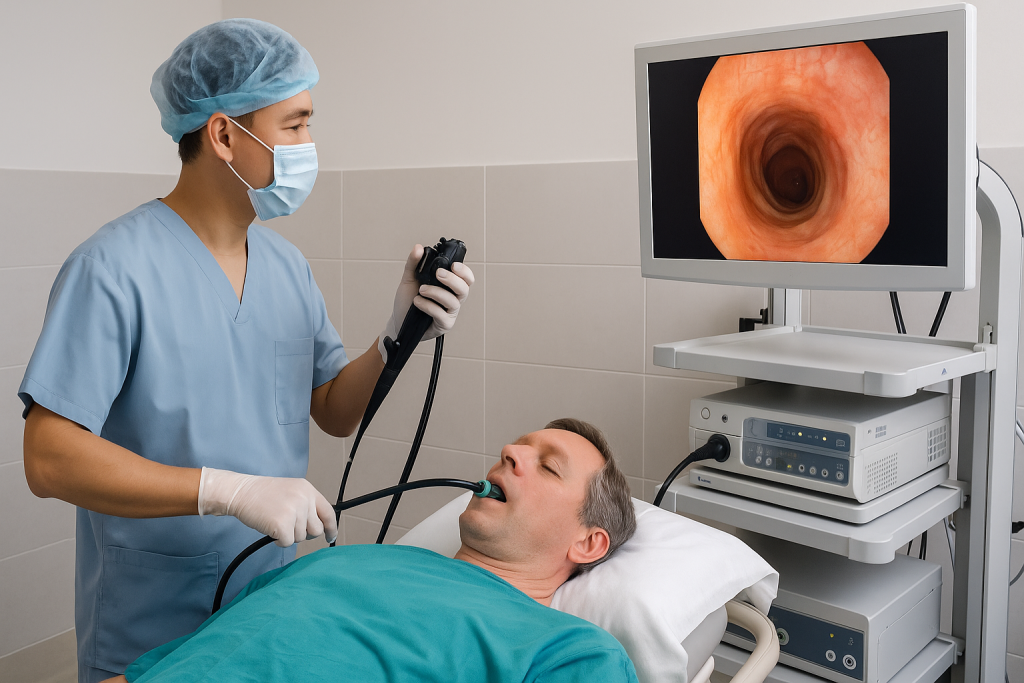
The endoscope is inserted gently through the mouth, allowing the doctor to see the lining of the upper digestive tract in real time on a high-definition screen.
A gastroscopy can both diagnose and treat certain conditions, making it one of the most valuable tools in gastroenterology.
Why Do You Need a Gastroscopy?
Doctors may recommend gastroscopy if you have symptoms such as:
-
Persistent heartburn or acid reflux (GERD)
-
Upper abdominal pain
-
Chronic nausea or vomiting
-
Difficulty swallowing (dysphagia)
-
Black or bloody stools
-
Vomiting blood
-
Unexplained anemia
-
Loss of appetite
-
Bloating or indigestion
-
Suspected H. pylori infection
Gastroscopy is also essential for cancer screening, especially stomach cancer and esophageal cancer.
What Conditions Can Gastroscopy Detect?
Gastroscopy can identify a wide range of upper GI conditions, including:
1. Gastritis
Inflammation of the stomach lining caused by stress, spices, alcohol, or infection.
2. Peptic Ulcers
Sores in the stomach or duodenum, often caused by H. pylori or NSAIDs.
3. H. pylori Infection
A common bacterial infection that can lead to ulcers and increases the risk of stomach cancer.
4. Hiatal Hernia
A condition where part of the stomach pushes into the chest cavity.
5. Esophagitis
Inflammation of the esophagus due to acid reflux or allergies.
6. Barrett’s Esophagus
A serious complication of chronic reflux that increases cancer risk.
7. Stomach Polyps
Small growths that can be benign or precancerous.
8. Upper GI Bleeding
Gastroscopy can locate and sometimes treat bleeding in the upper GI tract.
9. Early Gastric Cancer
High-quality endoscopy can detect cancer at its earliest stages.
10. Celiac Disease
Biopsies can confirm gluten-related intestinal damage.
Gastroscopy is also used for monitoring chronic GI conditions and assessing treatment effectiveness.
Why Choose Gastroscopy in Vietnam?
Vietnam has become a preferred destination for medical tourists seeking high-quality diagnostic endoscopy. Here’s why:
1. Advanced Endoscopy Technology
Vietnam’s top hospitals use state-of-the-art equipment such as:
-
Olympus EVIS EXERA III / EVIS X1
-
Fujifilm ELUXEO systems
-
Narrow Band Imaging (NBI)
-
Blue Light Imaging (BLI)
-
4K resolution endoscopes
-
Endoscopic Ultrasound (EUS)
These technologies improve visualization and help physicians detect early abnormalities, especially early-stage cancers.
2. Highly Skilled GI Specialists
Vietnamese gastroenterologists are experienced in high-volume clinical practice and often receive international training in:
-
Japan
-
South Korea
-
France
-
Germany
-
Singapore
-
Australia
Many doctors perform thousands of gastroscopies per year, giving them a high level of diagnostic accuracy.
3. Safe, Painless Sedation Techniques
International hospitals in Vietnam offer:
-
IV sedation
-
Light anesthesia
-
Continuous monitoring
-
Recovery rooms with nurses present
This ensures patients remain comfortable throughout the procedure.
4. Affordable Costs
Gastroscopy in Vietnam costs significantly less than in Western countries.
Average Cost (USD)
| Procedure | Vietnam | Australia | USA | Singapore |
|---|---|---|---|---|
| Gastroscopy (diagnostic) | $70–$150 | $800+ | $1,000–$2,000 | $200–$400 |
| Gastroscopy with biopsy | $100–$200 | $1,200+ | $1,500–$3,000 | $350–$600 |
| Rapid H. pylori test | +$10–$30 | +$60–$120 | +$100+ | +$50–$80 |
Vietnam offers international-level quality at a fraction of the cost.
5. Fast Scheduling & Quick Results
Unlike many Western countries with long waiting lists, Vietnam offers:
-
Same-day or next-day appointments
-
Immediate preliminary results
-
Biopsy results within 3–5 days
This is ideal for travelers with limited time.
6. English-Speaking Staff & International Patient Support
Most major hospitals provide:
-
English interpreters
-
Coordinators for foreign patients
-
Clear instructions
-
Assistance with transportation and accommodation
This makes medical travel smooth and stress-free.
How Gastroscopy Is Performed in Vietnam
Here’s what you can expect during the examination.
1. Preparation
Before the procedure:
-
No food or drinks for 6–8 hours
-
Bring your medical records (if any)
-
Notify staff of allergies, medications, heart or lung conditions
If you are doing a combined gastroscopy + colonoscopy, additional bowel preparation may be required.
2. Sedation
Patients receive light IV sedation so they:
-
Do not feel pain
-
Do not gag
-
Are relaxed throughout the procedure
You will not be fully unconscious, but you will feel comfortable and calm.
3. The Procedure
Duration: 5–10 minutes
Steps:
-
A mouthguard is placed to protect your teeth.
-
The flexible endoscope is inserted through the mouth.
-
The doctor examines the esophagus, stomach, and duodenum.
-
If abnormalities are found, biopsies can be taken immediately.
-
Images and videos are recorded for your medical report.
The procedure is painless due to sedation.
4. Recovery
-
Rest in a recovery room for 20–30 minutes
-
Mild throat soreness can occur
-
You may eat soft foods after 1–2 hours
-
Avoid driving for 12–24 hours
You will receive a detailed report and instructions.
Additional Tests During Gastroscopy
1. Biopsy
A small tissue sample may be taken to check for:
-
H. pylori infection
-
Cancer cells
-
Chronic inflammation
Biopsies are painless and safe.
2. Rapid H. pylori Test
A quick test using a tissue sample from the stomach lining.
3. Polyp Removal
Small stomach polyps can be removed during the procedure.
4. Endoscopic Treatment
Some hospitals in Vietnam can:
-
Stop bleeding
-
Remove foreign objects
-
Treat small lesions
Is Gastroscopy Safe in Vietnam?
Yes. Gastroscopy is considered very safe, especially in hospitals using modern equipment and sedation techniques.
Potential risks are rare and include:
-
Mild sore throat
-
Temporary bloating
-
Very rare risks (<1 in 10,000): bleeding or perforation
Vietnamese hospitals follow strict sterilization and infection-control protocols.
Best Hospitals in Vietnam for Gastroscopy
1. Vinmec International Hospital
-
High-definition endoscopy
-
NBI imaging
-
Experienced gastroenterologists
-
Strong international patient department
2. FV Hospital (Ho Chi Minh City)
-
French-operated
-
Modern GI & Hepatology Center
-
Strong diagnostic capabilities
3. Tam Anh General Hospital
-
Japanese-standard endoscopy
-
Advanced early cancer detection
4. 108 Military Central Hospital (Hanoi)
-
High-volume GI center
-
Affordable pricing
-
Skilled senior specialists
5. City International Hospital (CIH)
-
Good for check-up packages
-
Convenient for medical tourists in HCMC
Who Should Avoid Gastroscopy?
Gastroscopy may be postponed or modified for patients with:
-
Severe heart/lung disease
-
Unstable vital signs
-
Allergies to sedation medication
-
Recent stroke
-
Blood clotting disorders
Doctors will review your medical history carefully.
A Vietnamese gastroenterologist reviews gastroscopy findings with an international patient at a modern hospital in Vietnam
Travel Tips for Medical Tourists
How long to stay in Vietnam?
-
Gastroscopy only: 1–2 days
-
Gastroscopy + biopsy: 2–3 days
-
Combined gastroscopy + colonoscopy: 3–4 days
Best Cities
-
Ho Chi Minh City
-
Hanoi
-
Da Nang
-
Nha Trang
Combine with a Health Check-Up
Gastroscopy is often included in:
-
Executive health check
-
Comprehensive digestive health check
-
Cancer screening packages
Why Vietnam Is a Growing Destination for Gastroscopy
Vietnam offers unique advantages:
-
Modern endoscopy equipment
-
Excellent diagnostic accuracy
-
Experienced GI specialists
-
Affordable pricing
-
Fast scheduling
-
Warm hospitality
-
Strong medical tourism infrastructure
International patients consistently rate their experience as comfortable, efficient, and cost-effective.
Conclusion
Gastroscopy in Vietnam is a safe, modern, and affordable diagnostic procedure ideal for patients with digestive symptoms or those seeking early detection of stomach diseases. With advanced technology, expert gastroenterologists, and patient-centered care, Vietnam has become one of Asia’s most reliable destinations for upper GI endoscopy.
Whether you are experiencing persistent digestive discomfort or planning a preventive health screening, Vietnam provides world-class medical quality combined with exceptional value.
Need a Gastroscopy in Vietnam?
Get a fast appointment, clear pricing, and a tailored gastroscopy plan from MedtourVietnam before you travel.