
Radiotherapy, also known as radiation therapy, is one of the three main pillars of cancer treatment alongside surgery and chemotherapy. In recent years, radiotherapy in Vietnam has developed rapidly, with modern equipment, internationally trained radiation oncologists, and significantly lower treatment costs. As a result, Vietnam is increasingly chosen by international patients seeking safe, effective, and affordable radiotherapy.
This comprehensive guide explains everything you need to know about radiotherapy in Vietnam, including how it works, types of radiotherapy, full-course treatment, costs, leading hospitals, safety standards, and what international patients can expect.
What Is Radiotherapy?
Radiotherapy is a cancer treatment that uses high-energy radiation (such as X-rays, gamma rays, electrons, or protons) to:
-
Destroy cancer cells
-
Shrink tumors
-
Prevent cancer from growing or returning
Radiation damages the DNA of cancer cells, stopping them from dividing. Normal cells can usually repair themselves, while cancer cells cannot, which makes radiotherapy effective.
Radiotherapy may be used:
-
As a primary treatment
-
After surgery to reduce recurrence
-
Before surgery to shrink tumors
-
In combination with chemotherapy (chemoradiotherapy)
-
As palliative treatment to relieve pain or pressure
Why Choose Radiotherapy in Vietnam?
Vietnam has invested heavily in modern oncology and radiation therapy infrastructure over the past decade.
Key Advantages
-
Advanced radiotherapy technology (LINAC, IMRT, VMAT, IGRT)
-
Experienced radiation oncologists and medical physicists
-
Treatment protocols aligned with international guidelines
-
Lower costs compared to Western countries and Singapore
-
Short waiting times
-
Dedicated international patient services
For patients who require a full course of radiotherapy over several weeks, Vietnam offers both medical quality and affordability.
Types of Radiotherapy Available in Vietnam
Vietnamese cancer centers provide a wide range of radiotherapy techniques.
1. External Beam Radiotherapy (EBRT)
The most common type, delivered by a linear accelerator (LINAC). Radiation is precisely targeted at the tumor from outside the body.
Common techniques include:
-
3D Conformal Radiotherapy (3D-CRT)
-
Intensity-Modulated Radiotherapy (IMRT)
-
Volumetric Modulated Arc Therapy (VMAT)
-
Image-Guided Radiotherapy (IGRT)
These techniques allow high accuracy while minimizing damage to surrounding healthy tissue.
2. Stereotactic Radiotherapy (SRS / SBRT)
High-dose radiation delivered in fewer sessions with extreme precision.
Used for:
-
Brain tumors
-
Lung tumors
-
Liver tumors
-
Spinal metastases
SBRT is available in major oncology centers in Vietnam.
3. Brachytherapy (Internal Radiotherapy)
A radioactive source is placed inside or near the tumor.
Commonly used for:
-
Cervical cancer
-
Prostate cancer
-
Endometrial cancer
-
Head and neck cancers
Brachytherapy is often combined with external beam radiotherapy for optimal results.
What Does “Full Course Radiotherapy” Mean?
A full course of radiotherapy refers to completing the entire prescribed treatment plan, including:
-
CT simulation and planning
-
Daily treatment sessions
-
Ongoing monitoring and follow-up
Typical Duration
-
3–7 weeks
-
Usually 5 sessions per week (Monday–Friday)
Number of Sessions (Approximate)
-
Breast cancer: 15–25 sessions
-
Head & neck cancer: 30–35 sessions
-
Prostate cancer: 20–35 sessions
-
Lung cancer: 20–30 sessions
Each session typically lasts 10–20 minutes and is painless.
Cancers Commonly Treated With Radiotherapy in Vietnam
Radiotherapy is widely used for:
-
Breast cancer
-
Lung cancer
-
Head and neck cancers
-
Cervical cancer
-
Prostate cancer
-
Colorectal cancer
-
Brain tumors
-
Esophageal cancer
-
Liver cancer
-
Bone metastases
Treatment plans are personalized based on tumor type, stage, and patient condition.
Radiotherapy Process in Vietnam: Step by Step
1. Initial Consultation
Patients meet a radiation oncologist who reviews:
-
Medical history
-
Imaging (CT, MRI, PET-CT)
-
Pathology reports
2. CT Simulation & Planning
A CT scan is performed to map the tumor. Medical physicists and doctors create a customized radiation plan.
3. Treatment Delivery
Patients attend daily radiotherapy sessions in a controlled treatment room using a LINAC machine.
4. Monitoring During Treatment
Doctors monitor side effects weekly and adjust treatment if needed.
5. Follow-Up
After completing the full course, patients receive follow-up imaging and clinical reviews.
Cost of Radiotherapy in Vietnam
One of the biggest advantages of radiotherapy in Vietnam is affordability.
Average Cost for a Full Course of Radiotherapy (USD)
-
Conventional radiotherapy: USD 2,000 – 4,000
-
IMRT / VMAT: USD 3,000 – 6,000
-
SBRT / SRS: USD 4,000 – 8,000
-
Brachytherapy: USD 1,500 – 4,000
Cost Depends On:
-
Cancer type and stage
-
Radiotherapy technique
-
Number of sessions
-
Hospital type (public vs private)
-
Additional imaging and medications
In comparison, the same treatment may cost USD 15,000 – 40,000+ in Western countries.
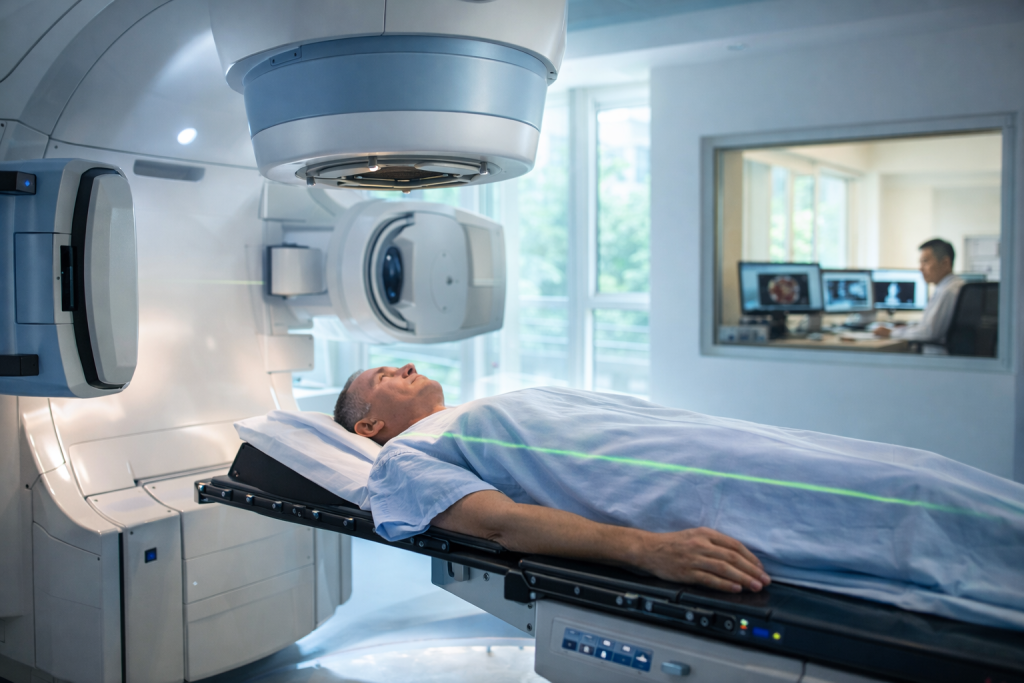
Advanced radiotherapy delivered with modern LINAC technology at international-standard hospitals in Vietnam
Side Effects and Management
Radiotherapy side effects vary depending on the treatment area.
Common Side Effects
-
Fatigue
-
Skin irritation
-
Mild pain or discomfort
-
Temporary hair loss in treated area
Advanced Supportive Care in Vietnam
-
Skin care protocols
-
Nutritional counseling
-
Pain management
-
Regular blood tests (if combined with chemotherapy)
Most side effects are temporary and manageable.
Safety Standards and Technology
Vietnamese radiotherapy centers follow strict safety protocols:
-
Daily machine calibration
-
Quality assurance checks
-
Radiation dose verification
-
International safety standards
Many hospitals use new-generation linear accelerators and modern planning software to ensure accuracy and patient safety.
Public vs Private Hospitals for Radiotherapy
Public Hospitals
-
Highly experienced oncology teams
-
Lower treatment costs
-
Higher patient volumes
Private & International Hospitals
-
English-speaking staff
-
Shorter waiting times
-
More personalized care
-
Comfortable treatment environment
International patients often choose private hospitals for convenience and communication.
Accommodation and Living Costs During Treatment
Radiotherapy requires several weeks of stay, but Vietnam offers affordable living costs.
Estimated Monthly Costs
-
Accommodation: USD 300 – 900
-
Food: USD 150 – 300
-
Transportation: USD 50 – 100
Many hospitals assist with nearby serviced apartments or hotels.
International Patient Support in Vietnam
Hospitals and medical tourism providers assist with:
-
Medical record review before travel
-
Visa support
-
Airport pickup
-
Translation services
-
Appointment coordination
-
Post-treatment follow-up planning
Who Is a Good Candidate for Radiotherapy in Vietnam?
Radiotherapy in Vietnam is suitable for:
-
Patients requiring a full radiotherapy course
-
Patients seeking cost-effective cancer treatment
-
Those needing advanced techniques (IMRT, VMAT, SBRT)
-
International patients able to stay several weeks
-
Patients combining radiotherapy with chemotherapy or surgery
Future of Radiotherapy in Vietnam
Vietnam continues to invest in:
-
New radiotherapy centers
-
Advanced LINAC machines
-
AI-assisted treatment planning
-
Integration with immunotherapy and targeted therapy
-
Oncology workforce training
These developments are strengthening Vietnam’s position as a regional cancer treatment hub.
Conclusion
Radiotherapy in Vietnam offers a compelling combination of modern technology, skilled specialists, international safety standards, and affordable costs. For international patients requiring a full course of radiation therapy, Vietnam provides high-quality care with strong medical support and reasonable living expenses.
As oncology services continue to advance, Vietnam is becoming an increasingly trusted destination for effective and patient-centered radiotherapy treatment.
Get a Radiotherapy Plan & Cost Estimate in Vietnam
Share your diagnosis, staging, and recent scans (CT/MRI/PET-CT) to receive a confidential hospital recommendation and full-course quote.