
Tubal ligation, commonly referred to as female sterilization or having one’s tubes tied, is a permanent contraceptive method chosen by millions of women worldwide. In recent years, Vietnam has emerged as a reliable and cost-effective destination for women seeking tubal ligation, thanks to its modern hospitals, experienced gynecologists, and affordable healthcare services.
This in-depth guide provides a comprehensive, patient-focused overview of tubal ligation in Vietnam, including how the procedure works, who it is suitable for, available techniques, costs, safety standards, legal considerations, recovery, and why more international patients are choosing Vietnam for permanent birth control.
What Is Tubal Ligation?
Tubal ligation is a surgical procedure that permanently prevents pregnancy by blocking or cutting the fallopian tubes. These tubes normally allow eggs to travel from the ovaries to the uterus and are the site where fertilization occurs. By interrupting this pathway, sperm can no longer reach the egg, making pregnancy virtually impossible.
It is considered a permanent form of contraception, unlike birth control pills, intrauterine devices (IUDs), or hormonal implants.
How Tubal Ligation Works
During tubal ligation, the fallopian tubes are:
-
Cut and sealed
-
Tied and clipped
-
Blocked using bands or rings
-
Sealed with electrical cauterization
Once blocked, eggs released by the ovaries are naturally absorbed by the body, and menstruation continues normally.
Is Tubal Ligation Reversible?
Tubal ligation is intended to be permanent. While reversal surgery (tubal reanastomosis) is technically possible in some cases, it is complex, costly, and success rates vary widely depending on age, remaining tube length, and surgical method used.
Women who have undergone tubal ligation can still become pregnant through in vitro fertilization (IVF), as IVF bypasses the fallopian tubes entirely.
Who Is a Suitable Candidate?
Tubal ligation may be appropriate for women who:
-
Are certain they do not want more children
-
Have completed their family
-
Have medical reasons to avoid pregnancy
-
Want a non-hormonal, long-term contraceptive solution
Doctors in Vietnam generally recommend careful counseling before the procedure, especially for younger women or those without children.
Tubal Ligation Methods Available in Vietnam
Vietnamese hospitals and international clinics offer several modern techniques:
1. Laparoscopic Tubal Ligation
The most common method, performed through small abdominal incisions using a camera and specialized instruments. This approach offers:
-
Minimal scarring
-
Short recovery time
-
High safety profile
2. Postpartum Tubal Ligation
Performed shortly after childbirth, often within 24–48 hours after delivery or during a cesarean section.
3. Mini-Laparotomy
A small incision in the lower abdomen, usually used when laparoscopy is not suitable.
The Tubal Ligation Procedure: Step by Step
-
Pre-procedure consultation and tests
-
General or local anesthesia
-
Surgical blocking or cutting of fallopian tubes
-
Closure of incisions
-
Post-procedure monitoring and discharge
The procedure usually takes 30–60 minutes, and most patients return home the same day or the following morning.
Recovery and Aftercare
Recovery from tubal ligation in Vietnam is generally quick:
-
Mild abdominal discomfort for a few days
-
Return to light activities within 3–5 days
-
Full recovery within 1–2 weeks
-
Sexual activity can usually resume after 1 week (doctor-approved)
Patients receive clear aftercare instructions and follow-up support, especially in international hospitals.
Effectiveness of Tubal Ligation
Tubal ligation is one of the most effective birth control methods available, with a success rate of over 99%. Pregnancy after tubal ligation is extremely rare, but if it occurs, there is a higher risk of ectopic pregnancy, which requires immediate medical attention.
Safety and Risks
When performed by qualified gynecologists, tubal ligation is very safe. Potential risks, though uncommon, include:
-
Infection
-
Bleeding
-
Reaction to anesthesia
-
Injury to surrounding organs
Vietnamese hospitals follow strict surgical protocols, international infection control standards, and modern anesthesia practices.
Cost of Tubal Ligation in Vietnam
One of the main reasons international patients choose Vietnam is affordability.
Average Cost Range
-
USD 600 – 1,500, depending on:
-
Hospital type (public vs private)
-
Surgical method
-
Length of stay
-
Pre-operative tests
-
This is significantly lower than in countries such as Australia, the United States, or Western Europe, where costs can exceed USD 4,000–8,000.
What Is Included in the Cost?
Most tubal ligation packages in Vietnam include:
-
Gynecologist consultation
-
Pre-operative tests
-
Surgery and anesthesia
-
Hospital stay (if required)
-
Medications and follow-up care
Medical tourism facilitators often offer all-inclusive packages with language support and patient coordination.
Legal and Ethical Considerations in Vietnam
Tubal ligation is legal and regulated in Vietnam. Adult women can undergo the procedure voluntarily after informed consent. Hospitals require:
-
Clear understanding of permanence
-
Psychological readiness
-
Signed consent forms
For foreign patients, passport identification and medical history documentation are required.
Tubal Ligation vs Other Contraceptive Options
| Method | Permanence | Hormonal | Effectiveness |
|---|---|---|---|
| Tubal ligation | Permanent | No | >99% |
| IUD | Long-term | Optional | 98–99% |
| Birth control pills | Temporary | Yes | 91–99% |
| Implants | Long-term | Yes | >99% |
Tubal ligation is best suited for women who are absolutely certain about ending fertility.
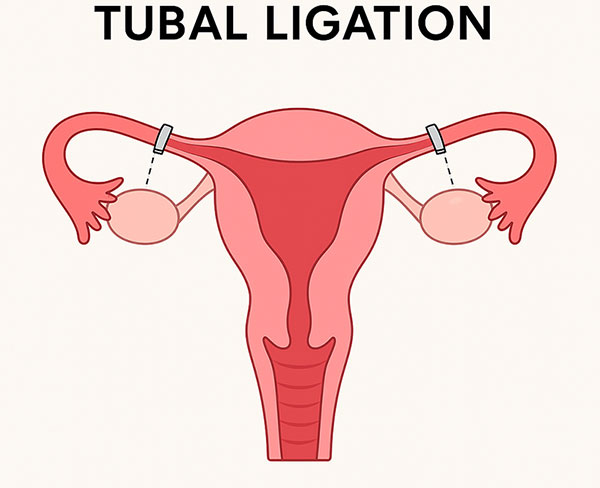
Diagram of the female reproductive system showing fallopian tubes sealed during tubal ligation, a permanent birth control procedure.
Why Choose Vietnam for Tubal Ligation?
Vietnam offers several advantages for international patients:
1. Highly Skilled Doctors
Vietnamese gynecologists receive extensive training and frequently perform laparoscopic procedures.
2. Modern Medical Facilities
International hospitals in major cities are equipped with advanced surgical technology.
3. Affordable Pricing
High-quality care at a fraction of Western costs.
4. Short Waiting Times
Procedures can often be scheduled within days.
5. Comprehensive Patient Support
Medical tourism services assist with:
-
Appointments
-
Translation
-
Travel and accommodation
-
Post-procedure follow-up
Popular Cities for Tubal Ligation in Vietnam
-
Ho Chi Minh City – Leading international hospitals and private clinics
-
Hanoi – Top academic medical centers and specialists
-
Da Nang – Growing medical tourism hub with resort-style recovery
Combining Tubal Ligation with Travel
Many international patients combine treatment with recovery in Vietnam’s relaxing environments:
-
Beach resorts
-
Wellness hotels
-
Urban serviced apartments
Recovery is typically comfortable and discreet.
Frequently Asked Questions
Will tubal ligation affect my hormones?
No. The ovaries continue to function normally, and hormonal balance is unchanged.
Will my periods stop?
No. Menstrual cycles remain regular.
Can I still have IVF later?
Yes. IVF is possible after tubal ligation.
Is the procedure painful?
Discomfort is usually mild and manageable with medication.
Preparing for Tubal Ligation in Vietnam
Before traveling, patients should:
-
Share complete medical history
-
Discuss family planning goals carefully
-
Arrange post-procedure rest time
-
Confirm hospital credentials and surgeon experience
Final Thoughts
Tubal ligation in Vietnam offers a safe, effective, and affordable solution for women seeking permanent contraception. With modern surgical techniques, internationally trained doctors, and patient-centered care, Vietnam has become a trusted destination for women from around the world.
For women who are confident in their decision and value high-quality care at a reasonable cost, Vietnam is a strong choice for tubal ligation, combining medical excellence with comfort, privacy, and professional support.
Free & confidential consultation • Reply within 24 hours